Turn business profiles into campaign surfaces
Profile showcases and promotional publishing gave businesses more ways to turn profile visits into campaign engagement.
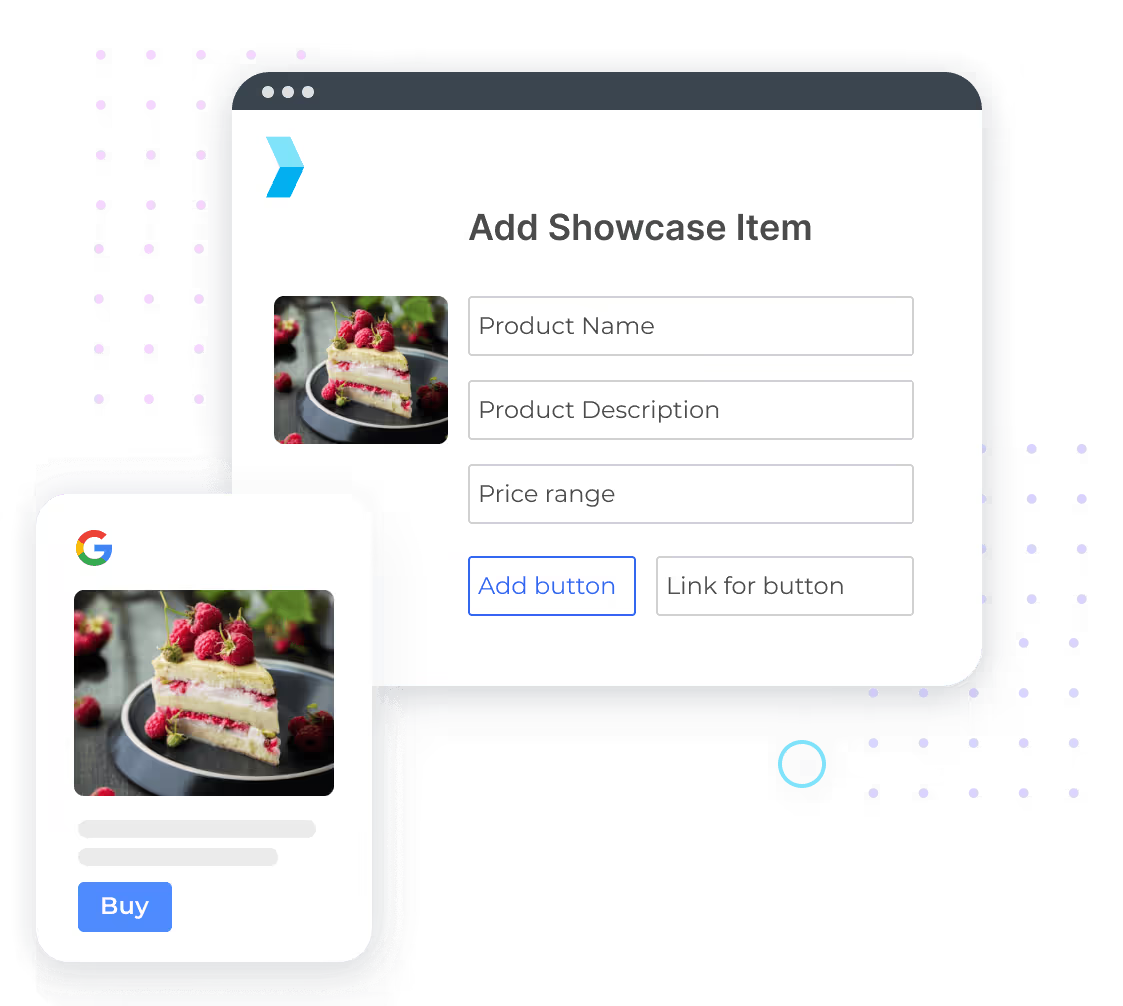
By the third quarter of 2025, Synup's established campaign experience had expanded into richer profile showcases and supported offers, events, and posts. Documented workflows also covered scheduling and visibility into engagement such as clicks, calls, and direction requests. This retrospective keeps those claims at the historical concept level rather than applying today's Social or campaign behavior backward.
Manage rich content and menus across locations
Structured content workflows helped teams coordinate menu and profile information across a portfolio of business locations.
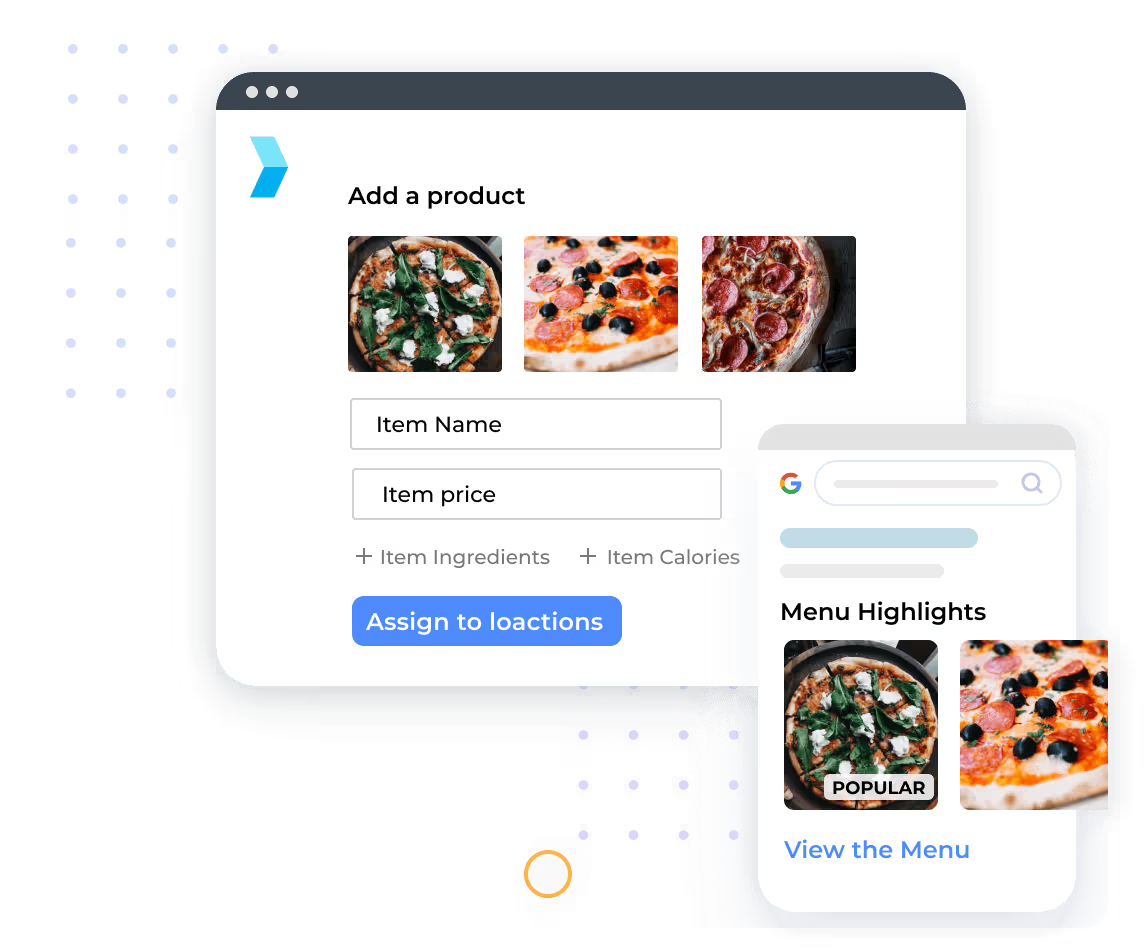
During this period, Synup's established menu and content experience had expanded into richer operations for product details, media, and assigning supported content across locations. The broader workflow was designed to help teams coordinate richer location content at portfolio scale while preserving local relevance. The historical illustration does not imply that today's Menus interface or publisher behavior existed identically.
Bring listing and local-rank capabilities into partner platforms
Partner-oriented product pages described bringing Synup listing-management and local-rank capabilities into reseller and platform workflows.
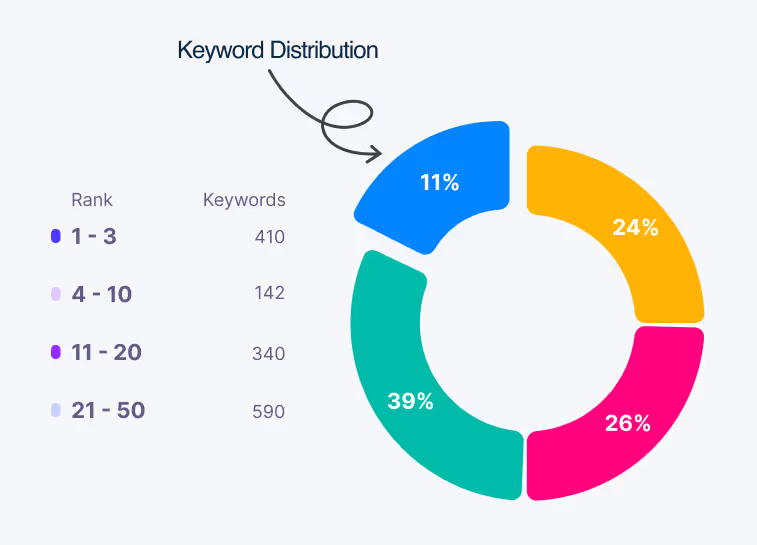
By this point, Synup's public product material described partner-ready listing management and local-rank capabilities that could be embedded into broader software workflows. The documented direction included managing listing information and making local-rank data available within partner experiences. The illustration communicates rank distribution only; it is not an API console or evidence that every endpoint or access model was universally available.
A broader local-marketing toolkit
By Q3 2025, Synup’s product story was extending beyond core local presence into richer campaigns, structured content operations, and partner-facing capabilities. These historical product illustrations show how those ideas were represented during the period, without implying exact interface or implementation parity today.