Manage locations and listings at scale
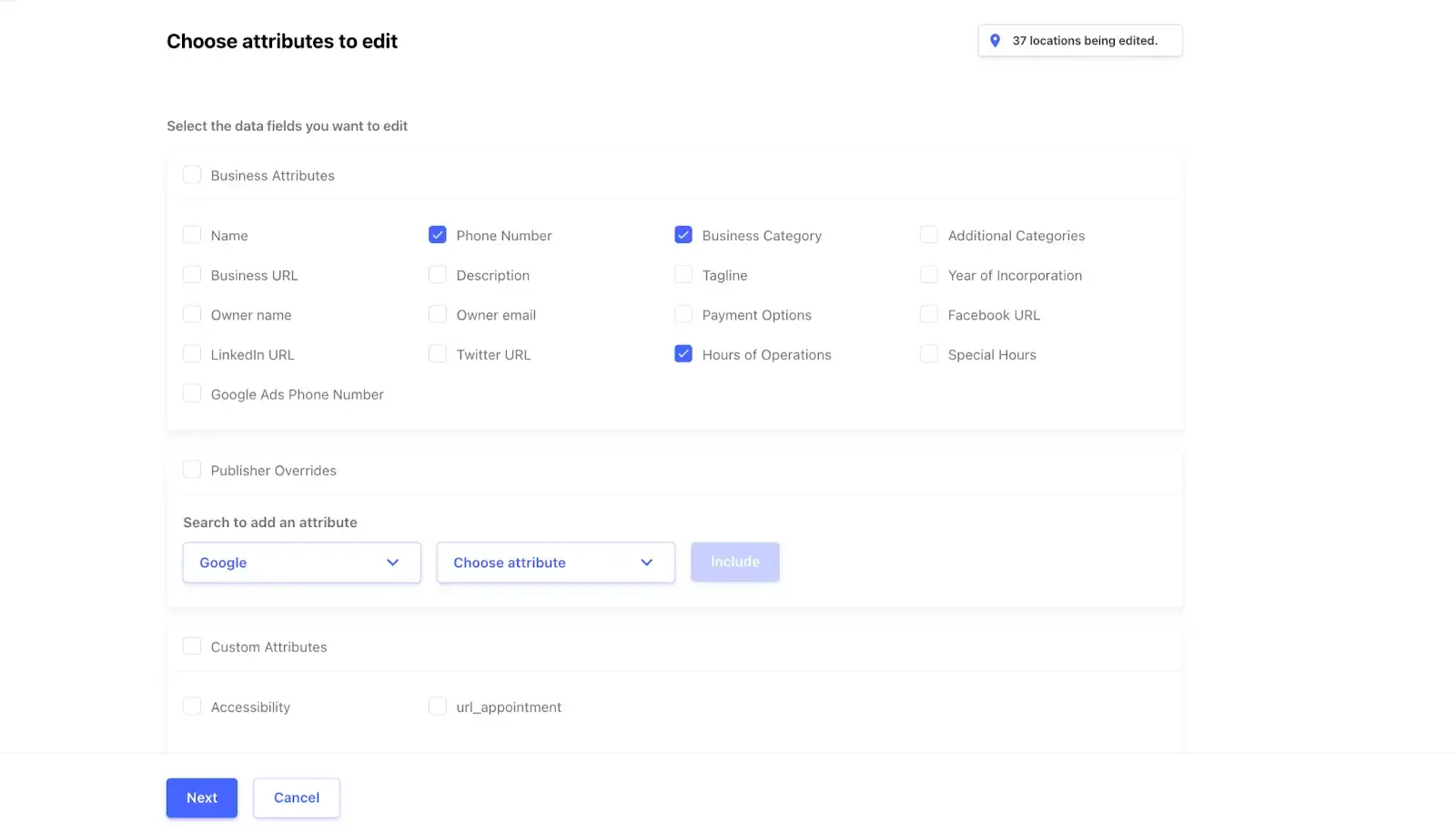
Teams could manage supported business information across multiple locations without repeating every change one profile at a time.
By early 2025, Synup's established listing-management experience had grown into broader multi-location workflows for maintaining business and profile information, including bulk operations for supported fields and attributes. These tools gave teams a more efficient way to keep portfolio data organized while retaining control over the information being changed.
Understand profile performance
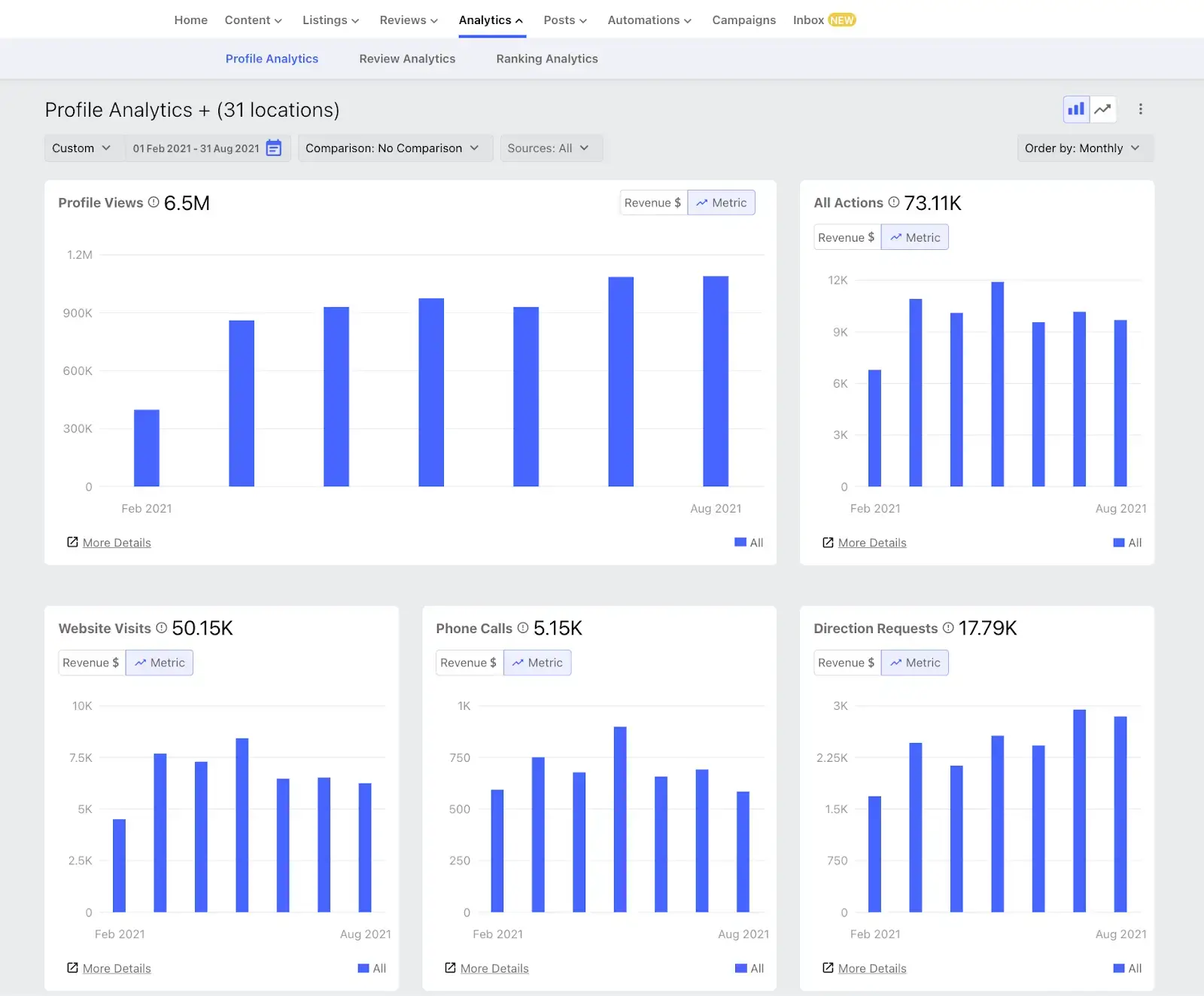
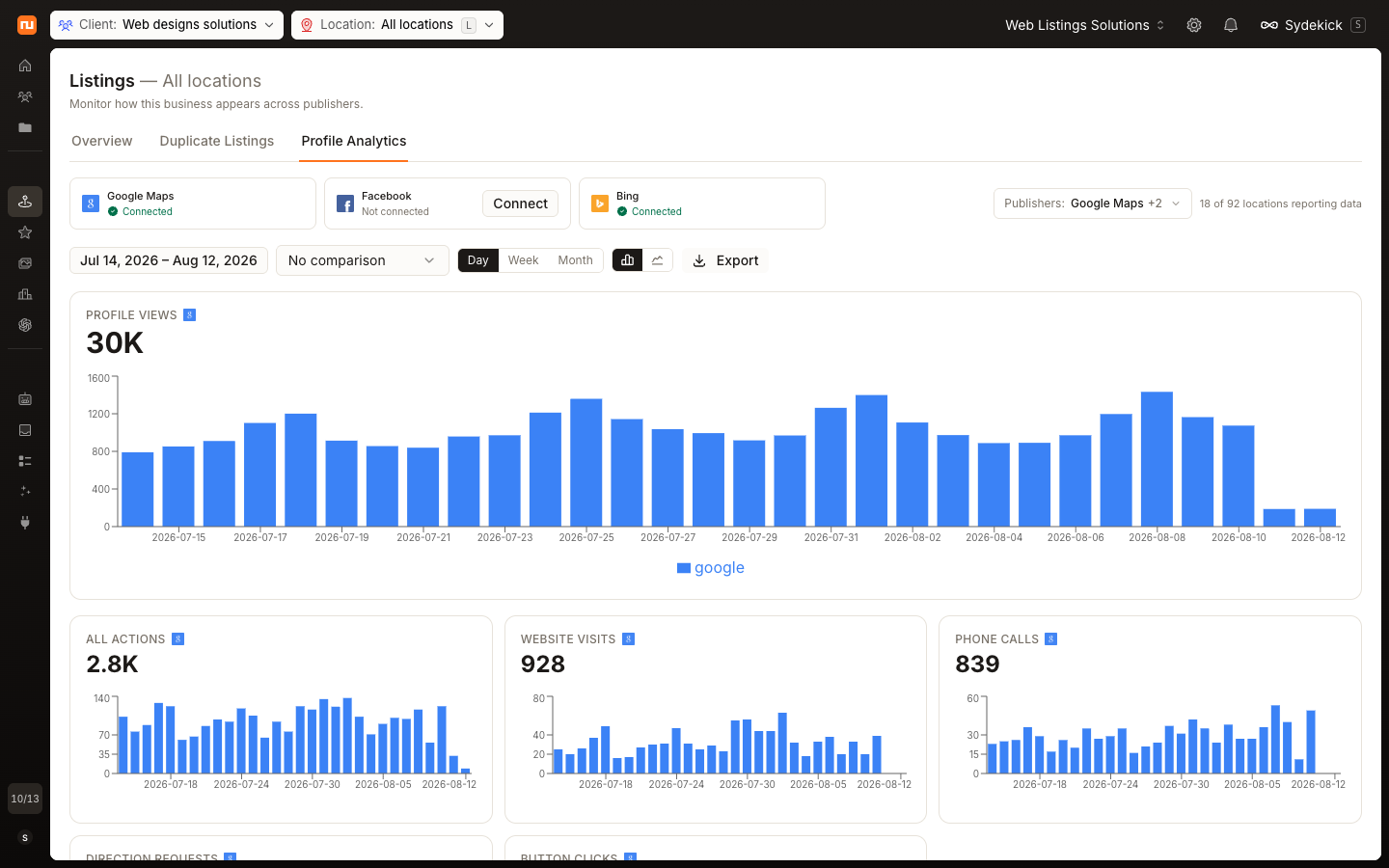
Profile Analytics helped agencies and multi-location teams understand how business profiles were performing across their locations.
By early 2025, Synup's established profile reporting experience had expanded into broader multi-location analysis and client-ready workflows for communicating profile views and customer actions. The exact metrics, aggregation, and controls have evolved, so this retrospective does not apply later reporting behavior to the historical experience.
Then
Today
Monitor reviews and generate more feedback
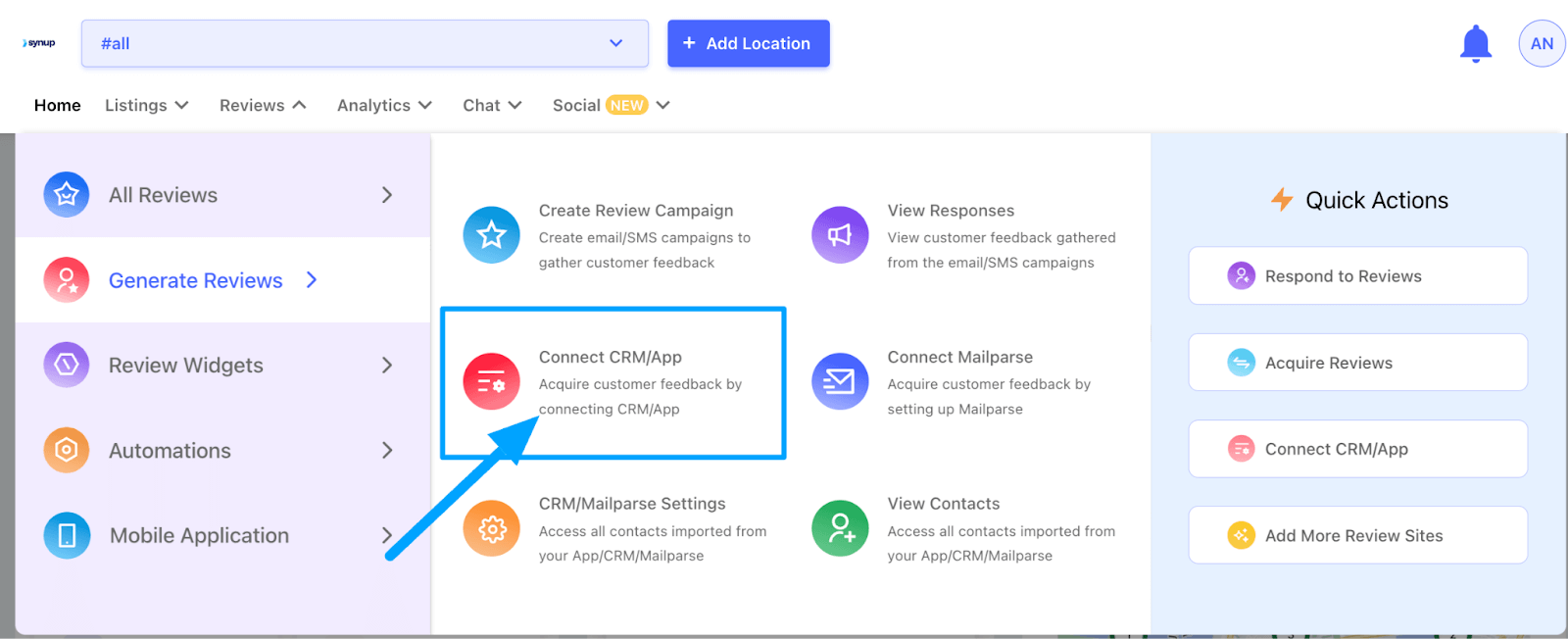
Synup's established review workflows had grown into a broader operating experience for monitoring feedback and asking customers for more of it.
By early 2025, review monitoring and response workflows had expanded through a richer campaign workspace, supported customer-source connections, and more structured review-generation operations. This later experience built on the existing foundation for responding to feedback and requesting additional reviews.
Plan social content across locations
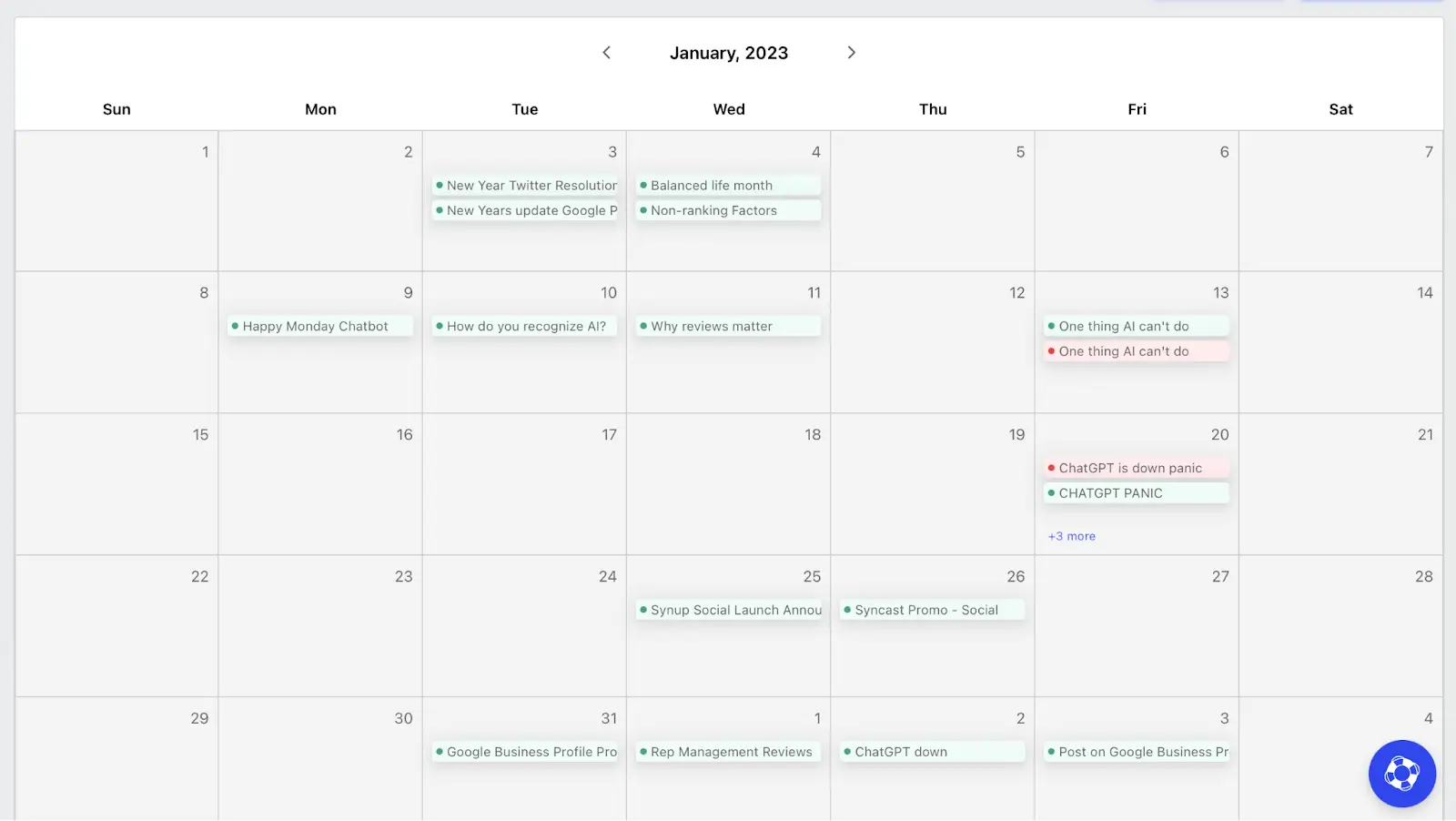
Calendar-based planning helped teams organize social content across supported business locations and accounts.
By early 2025, Synup's established social-planning workflows had developed into a more mature calendar experience for coordinating posts and keeping upcoming content visible. This retrospective reflects the documented planning concept without applying later social-network coverage or current composer behavior to the historical product.
See local search visibility on a grid
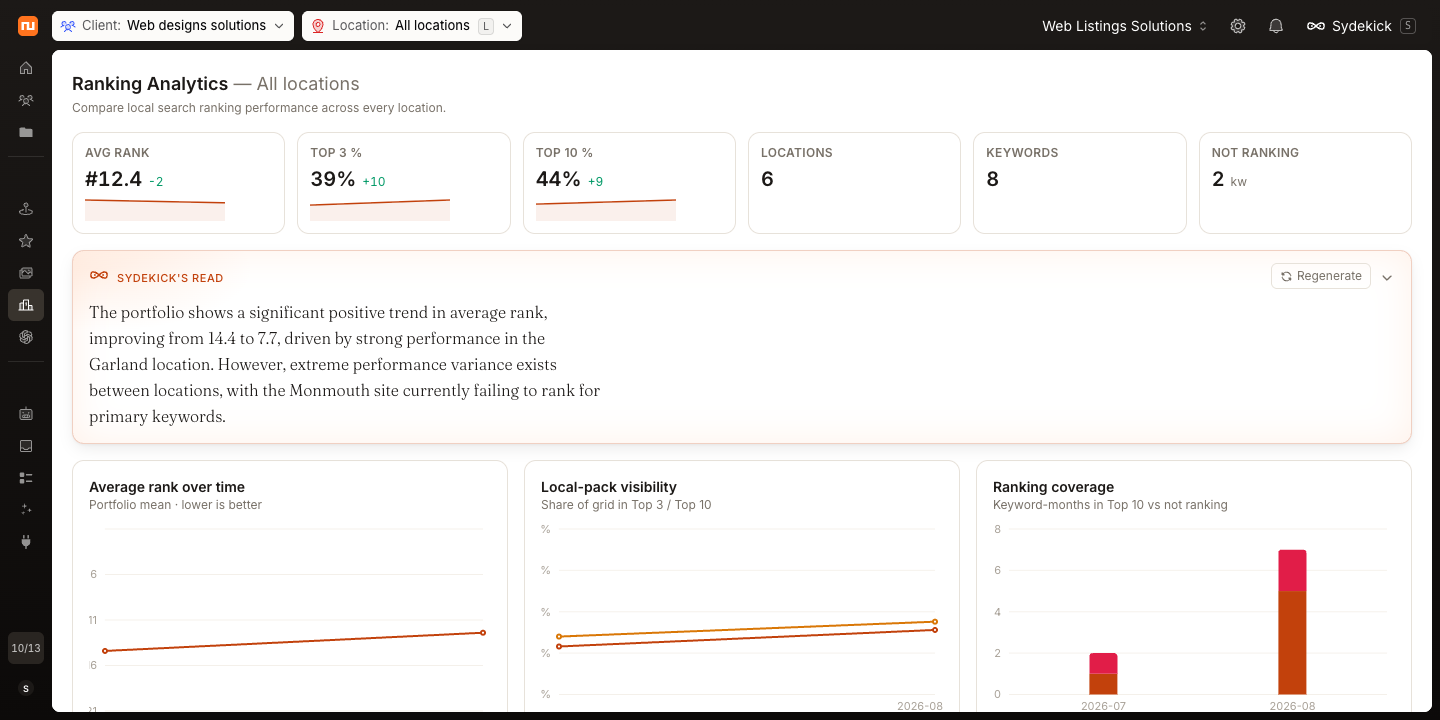
Grid-based ranking views helped teams understand how local search visibility changed from one point in an area to another.
By this point, Synup's documented Grid Ranker concept gave businesses a spatial view of local search presence rather than relying on one rank position. Today's Ranking Analytics interface is shown here to illustrate the continuing idea of identifying geographic visibility gaps; its current metrics and layout should not be read as the historical interface.
A foundation that kept evolving
The interfaces have changed, but these workflows reflect the continued development of the broader Listings, Reviews, Social, Analytics, and local visibility capabilities available in Synup today. Their presence here reflects documented product capability by early 2025, not a claim that every workflow remained unchanged.