Compare profile performance and revenue impact more clearly
A major Profile Analytics redesign brought clearer KPI views, drill-down reporting, comparisons, exports, and configurable revenue-impact measurement together.
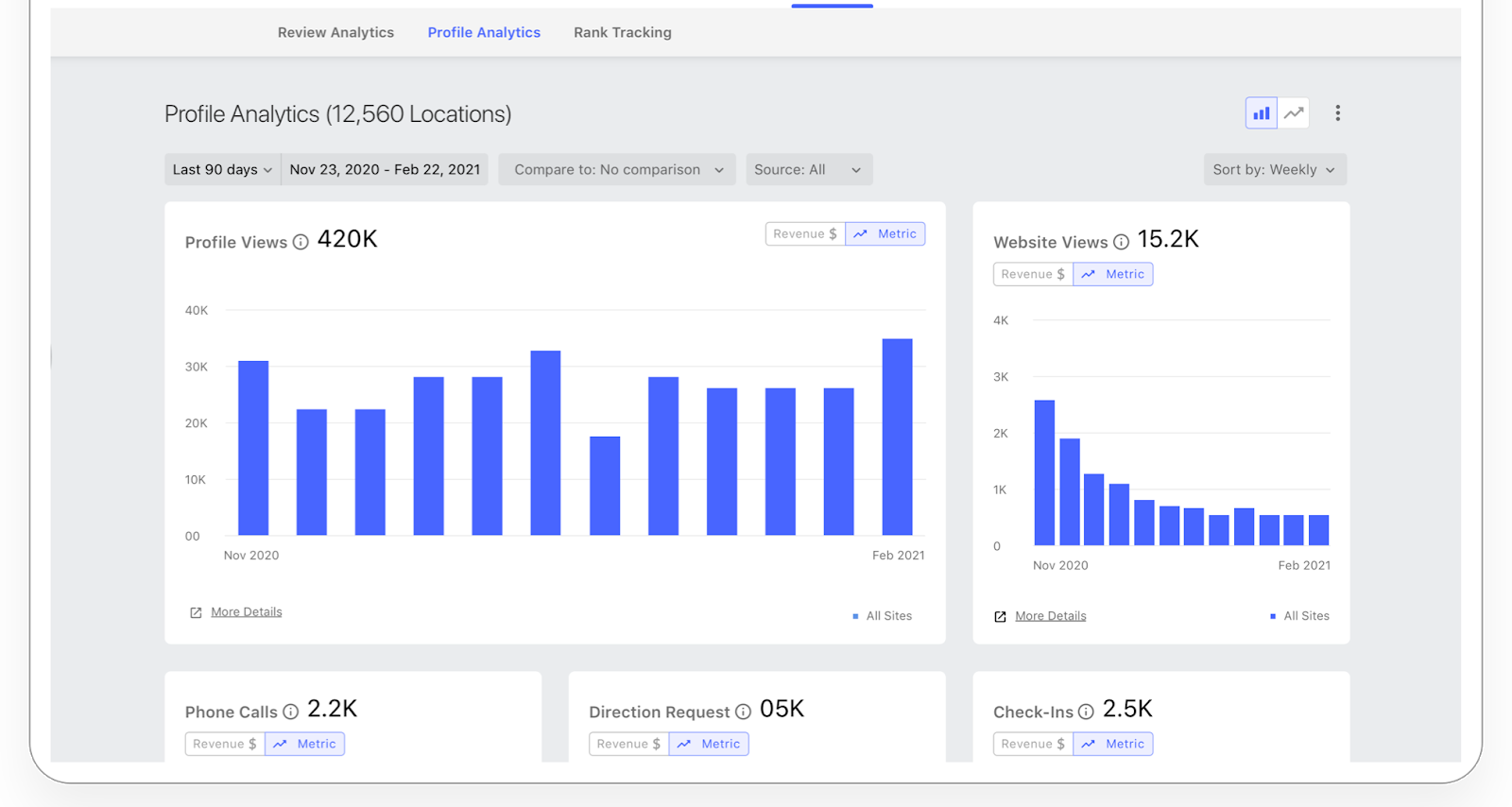
On July 7, 2021, Synup announced the launch of a revamped Profile Analytics experience. The redesign included KPI widgets with trend context, location drill-down, CSV and PDF exports, comparisons across reporting periods and supported publishers, and configurable revenue-impact measurement for profile views and customer actions. This was a redesign of an existing analytics experience, not the first appearance of analytics in Synup, and its historical calculations should not be read as identical to current reporting.
Automate recurring profile and review operations with configurable rules
Triggers, conditions, date ranges, actions, and reusable Recipes gave teams a configurable way to handle recurring profile and review work.
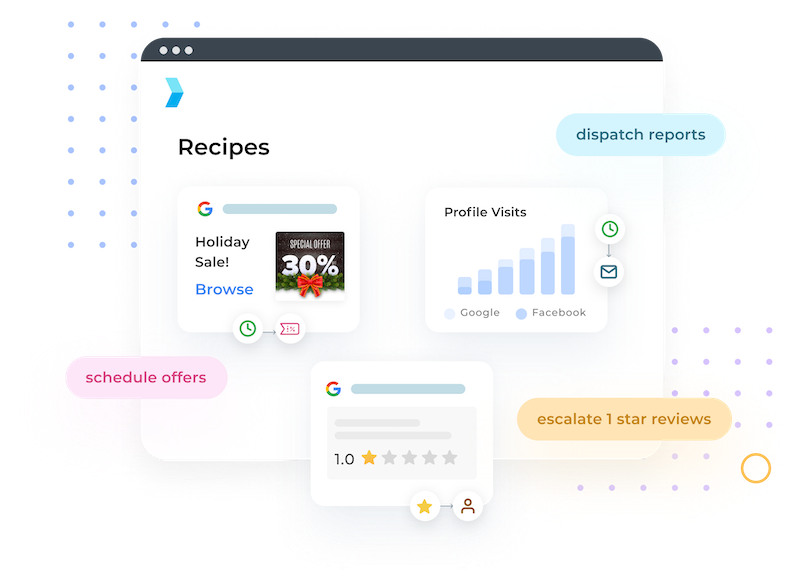
On July 9, 2021, Synup introduced its new configurable Automations module. Teams could start with pre-built Recipes or use a zero-code builder to combine triggers, conditions, date ranges, and actions for documented workflows such as scheduled profile changes, review alerts, review-response rules, and recurring report delivery. This legacy rules system was separate from Sydekick, Playbooks, and current agent automation.
Turn digital profiles into campaign surfaces
Products, posts, offers, calls to action, and scheduling helped brands use supported profiles for more active local campaigns.
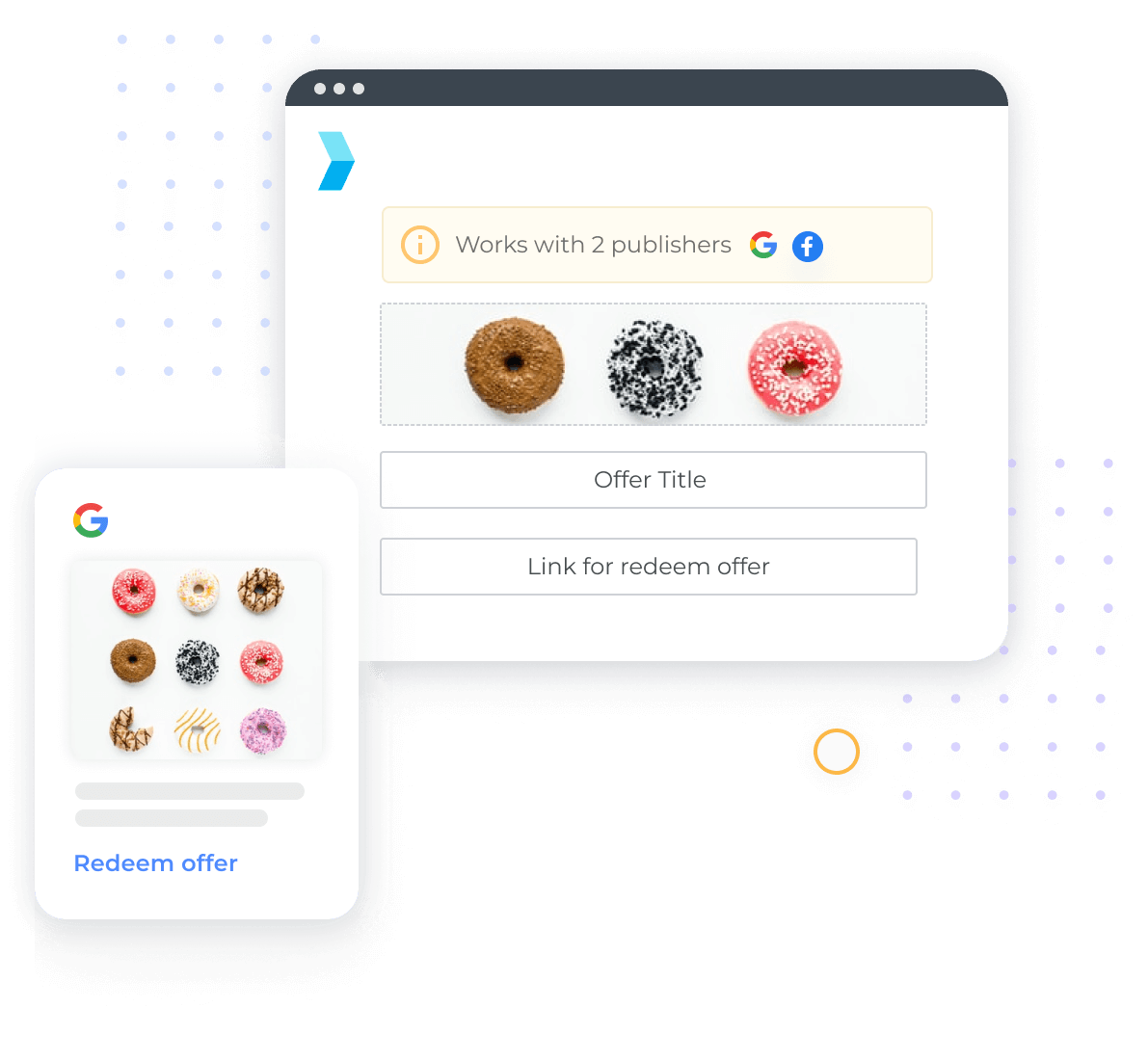
By Q3 2021, Synup's public Campaigns experience represented digital profiles as surfaces for showcasing products and services, publishing supported posts and offers, adding calls to action, coordinating schedules, and reviewing campaign performance. The evidence establishes public representation during the period, not an exact Campaigns launch date or parity with later campaign workflows.
A more configurable view of local performance and work
The quarter combined a major reporting redesign with a new rule-based Automations system, while Campaigns showed how supported profiles could play a more active role in local marketing. Later Synup products expanded these ideas, but this retrospective keeps the 2021 systems and their evidence boundaries distinct.