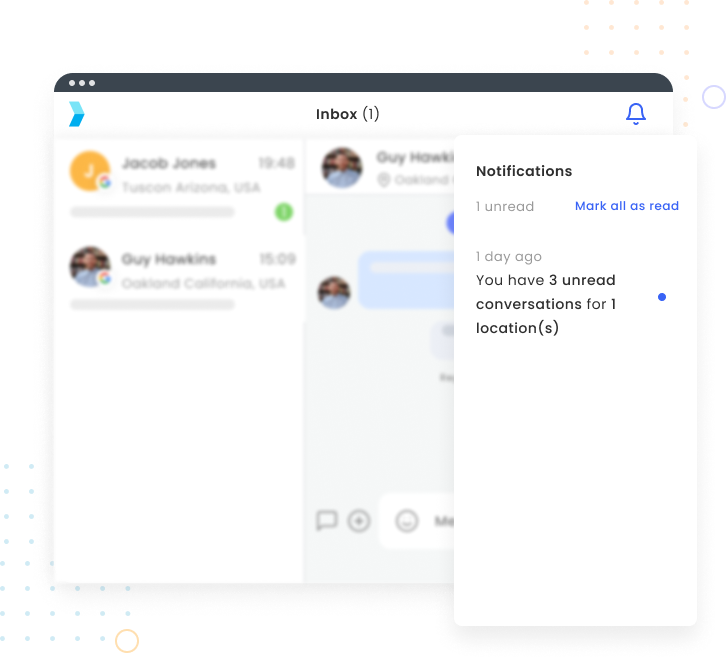
Manage customer messages across every location
A centralized messaging workspace helped multi-location teams keep track of location-specific customer conversations.
By Q3 2022, Synup Messenger represented a shared place to manage Google Business Messages across a multi-location business. Documented workflows included filtering conversations by location or supported publisher, receiving new-message notifications, and using reusable response templates. This is an obsolete historical capability, not a feature available in Synup today. Historical note: Google later discontinued Business Messages and Business Profile chat on July 31, 2024.
Control business presence and listing updates centrally
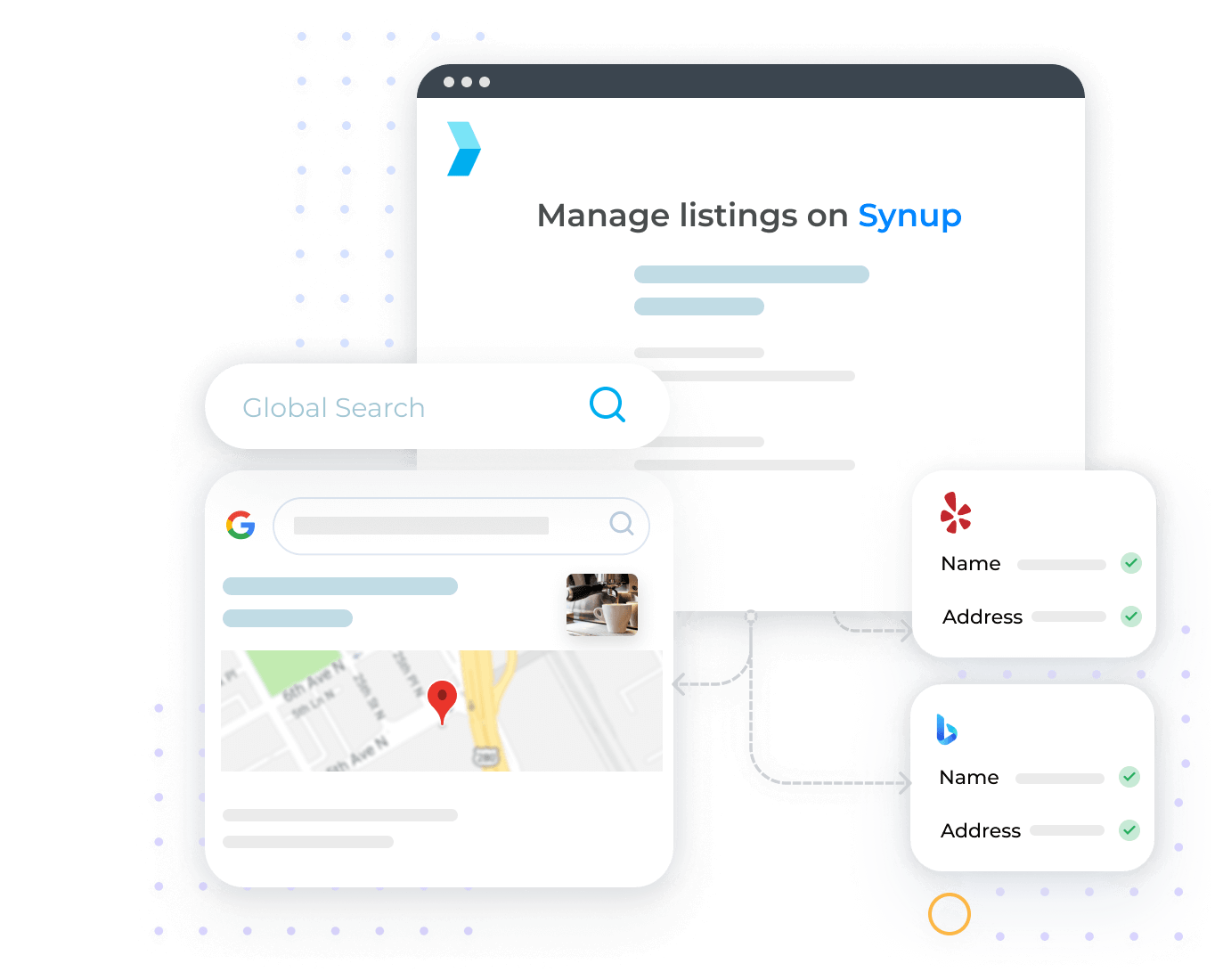
A shared Presence workspace helped teams maintain business information and coordinate listing changes across supported locations and publishers.
By this point, Synup's established Presence experience had become part of a broader connected multi-location platform for managing location information, publisher distribution, and listing consistency. Teams could organize supported locations, coordinate business-information changes, and manage access from one product surface rather than editing directories independently. The precise publisher coverage and today's bulk-edit or CSV workflows should not be projected backward onto this historical experience.
Configure time- and event-based marketing automations
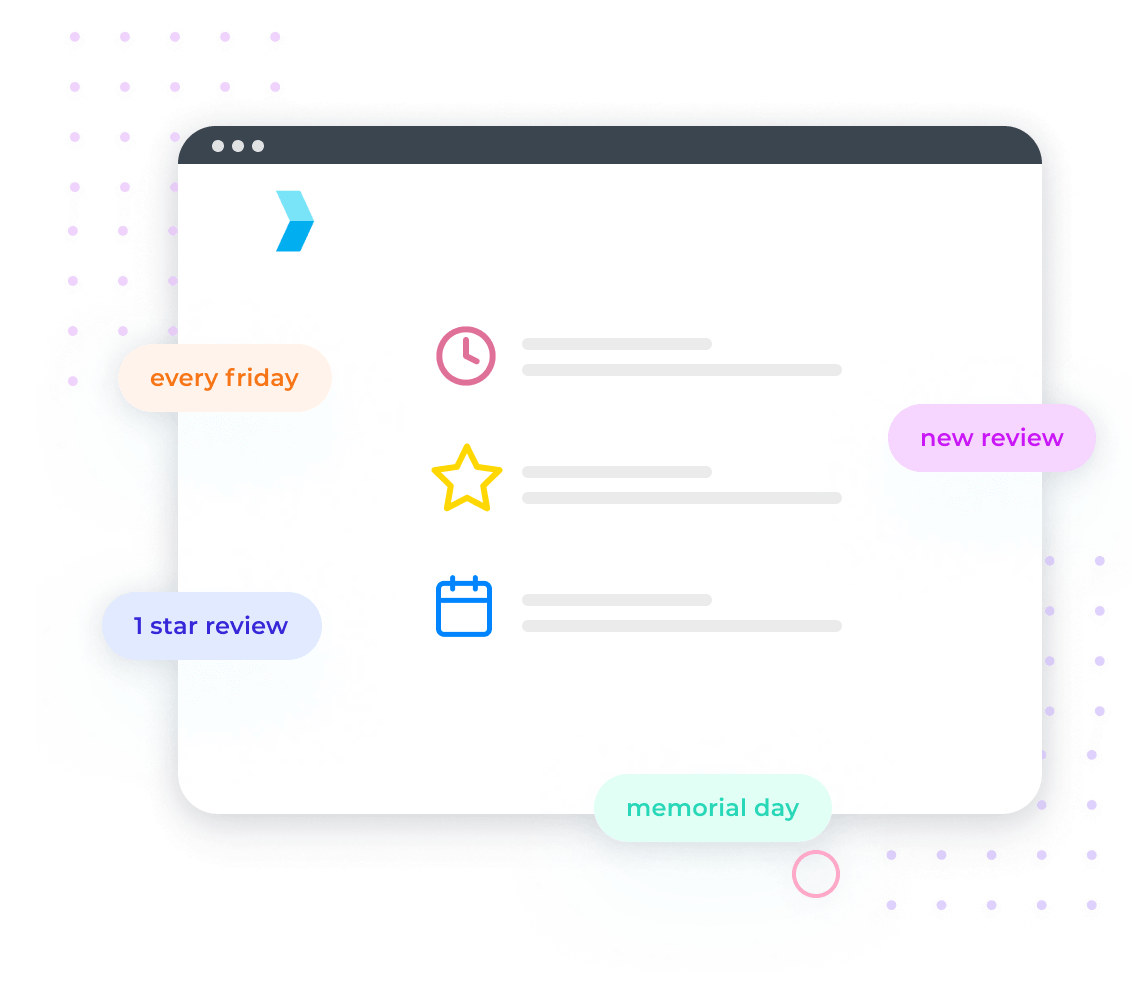
Configurable triggers, conditions, and actions helped teams organize repeatable local-marketing workflows around schedules and customer events.
By Q3 2022, Synup's established legacy Automations module supported recipes and configurable workflows built from time- or event-based triggers, conditions, and actions. Public examples included recurring report delivery, review events and internal escalation, acknowledgements, and scheduled changes to supported profile content. This was a distinct historical rules system introduced in 2021; it was not Sydekick, Playbooks, or the same architecture as current automation.
Turn business profiles into product, offer, and campaign surfaces
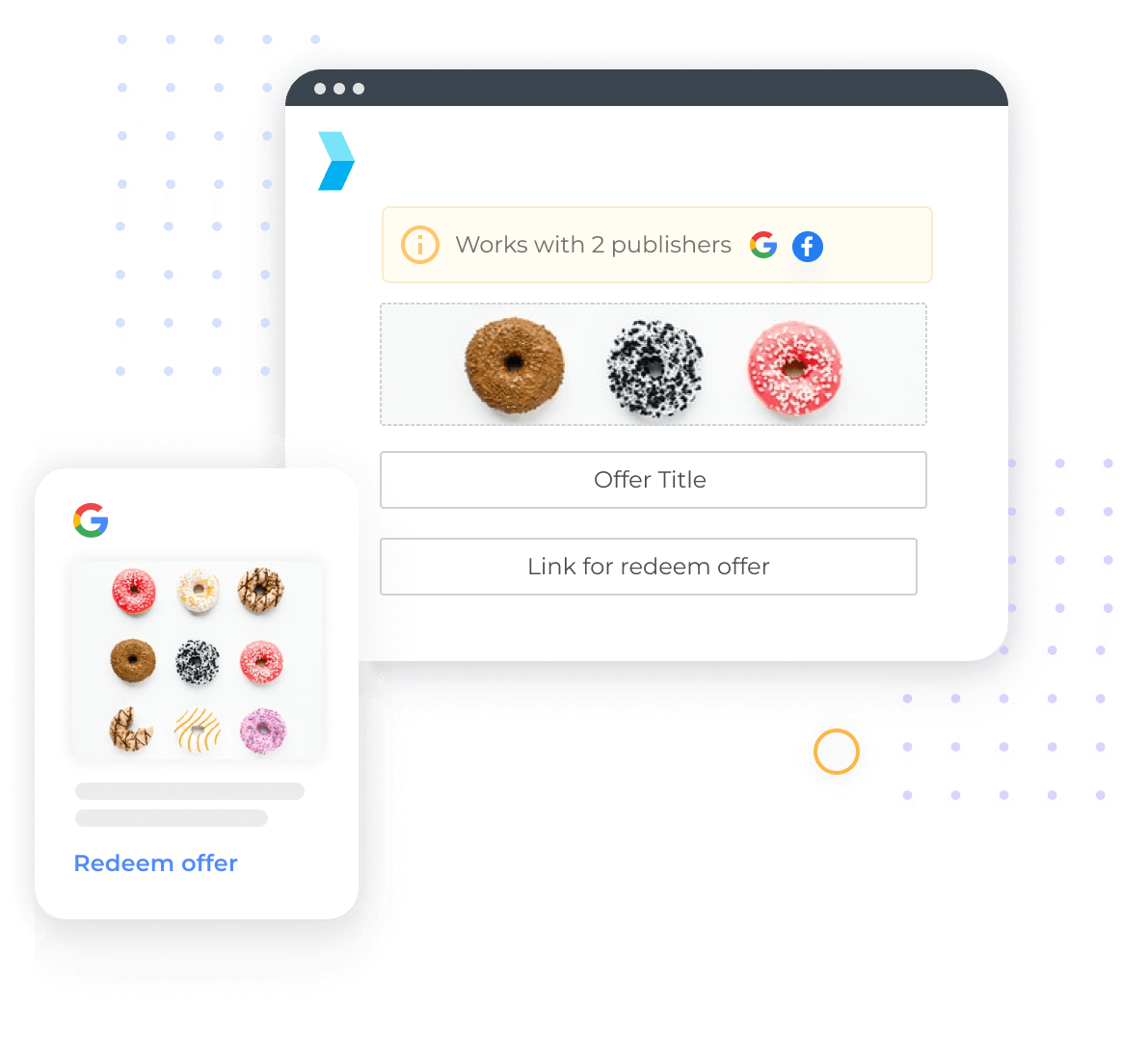
Products, offers, events, and scheduled campaign content helped businesses use supported profiles as active local-marketing surfaces.
By Q3 2022, Synup's established profile-campaign experience connected products and services with supported offers, events, posts, schedules, locations, and documented engagement signals. The experience continued a Campaigns foundation already represented in 2021 and followed the census-informed location-targeting expansion announced in Q2 2022. It preceded the more structured seasonal workflows represented in Q1 2024 and richer expansion represented in Q3 2025; it does not apply those later controls or publisher behavior to 2022.
A connected platform for multi-location work
By Q3 2022, these messaging, Presence, Automations, and Campaigns capabilities formed a connected platform for multi-location marketing. Some product surfaces were later discontinued or substantially changed, while others were established systems that Synup continued to expand in later periods.