Keep multi-location profiles current from an actionable Feed
Daily suggestions and action cards brought recurring profile, promotion, hours, and review work into one historical operating surface.
By Q3 2020, Synup's public Feed experience surfaced profile suggestions, reviews, promotions, attributes, business hours, and holiday-hour updates across supported locations. Teams could see operational profile work that needed attention and act without checking every location and publisher independently. Feed was its own historical operating surface; it should not be equated with Sydekick, Playbooks, the current Inbox, or present-day automation.
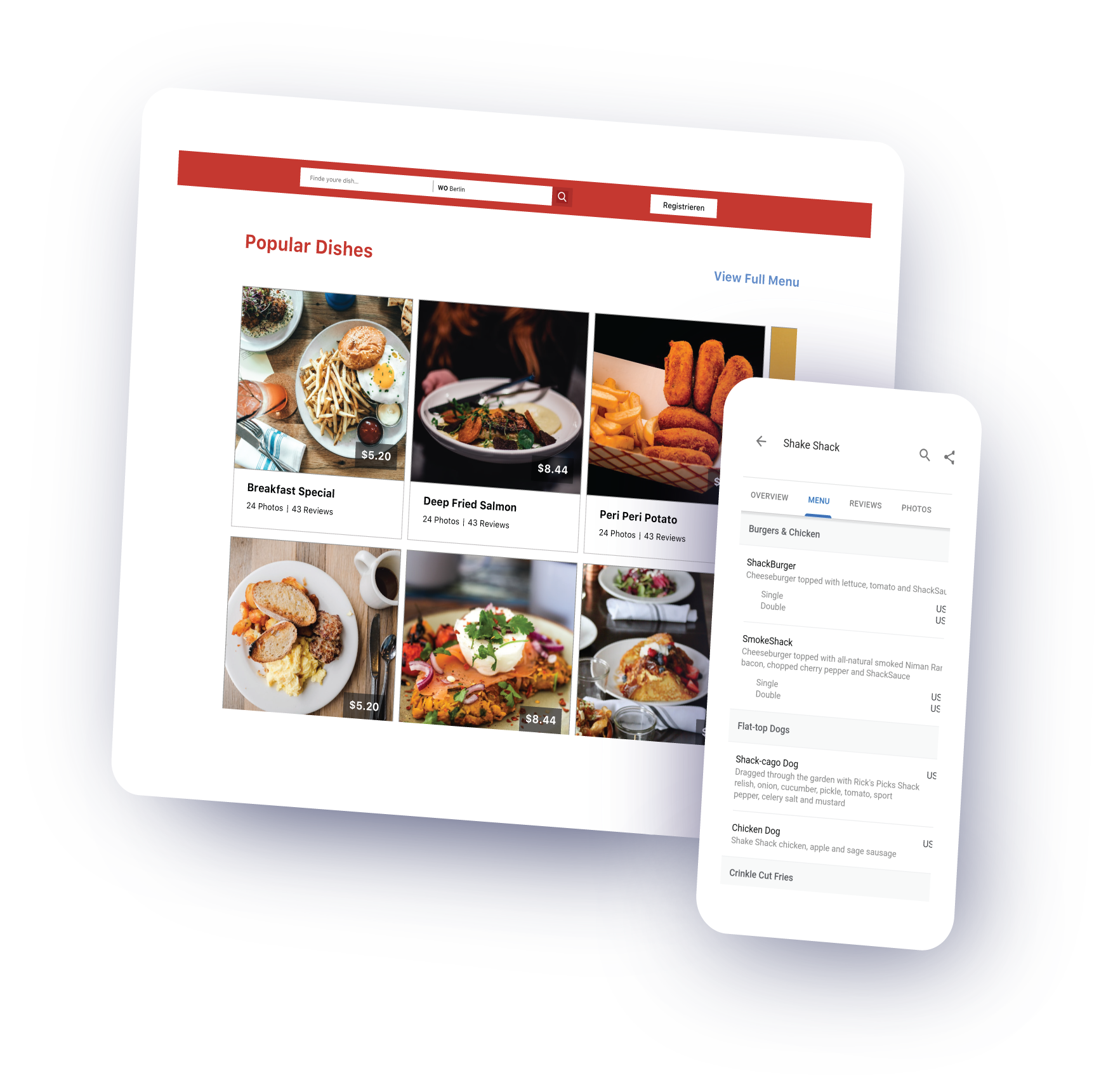
Manage structured menus across locations
Structured menu tools helped businesses organize detailed items, reuse content, and assign menus across supported locations.
Synup's public Menu Management experience by this period covered multiple menus and supported sections or dayparts, detailed items, cloning and reuse, multiple currencies, and assigning menu content across locations. Rich Content provided related support for reusable location content and posts, but the historical interface and publisher behavior should not be read as identical to today's menu workflows.
Prepare location data and FAQs for voice discovery
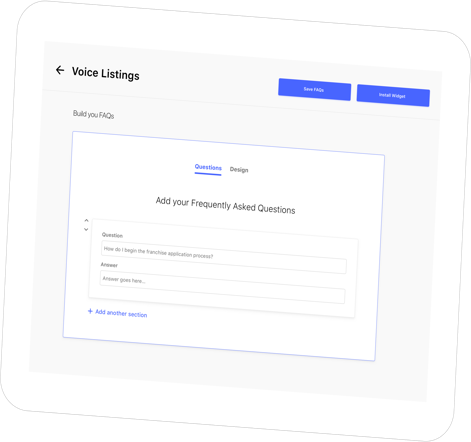
Structured business information and location FAQs helped voice and search systems interpret answers about supported business locations.
Building on earlier voice-readiness and voice-channel work, by Q3 2020 Synup publicly documented a dedicated Voice Search Optimization workflow built around structured location information, supported voice-assistant listing connections, location-specific questions and answers, and generated schema or widget code for a business website. The workflow reflects the historical product and does not promise identical assistant coverage, access, or controls today.
An early connected foundation for local operations
By this period, the broader platform foundation was already established. Feed, Menu Management, and the dedicated voice-discovery workflow gave multi-location teams more focused ways to act on profile work, coordinate richer content, and prepare useful location answers. The interfaces and product boundaries continued to evolve.